Skip to content

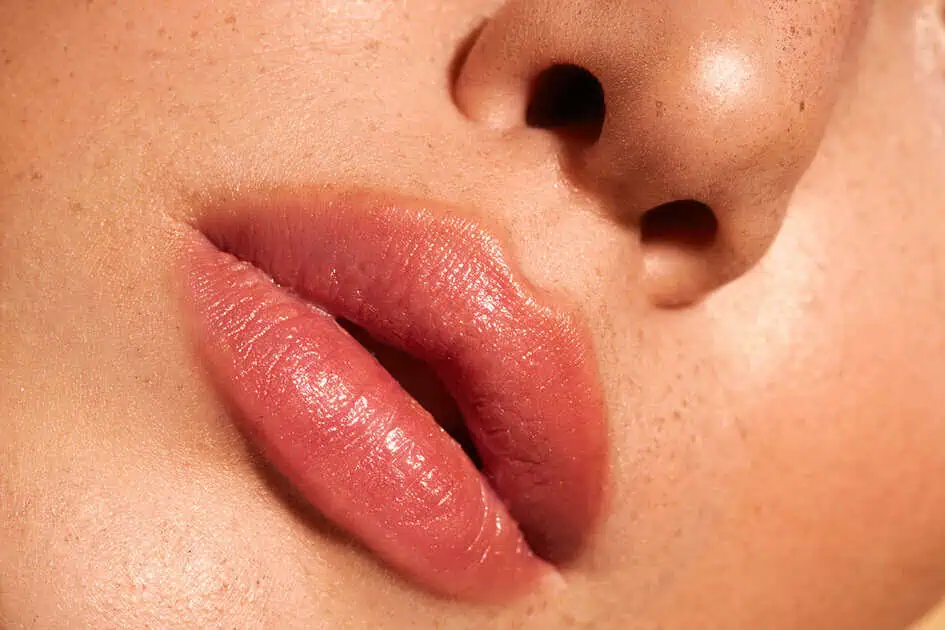
Table of Contents
You have probably noticed it in bright light or in a photo you did not love: one part of your lips reads darker than the rest, or the color thins out toward the center. Uneven tone is something people quietly live with, and no lip balm changes it.
A lip blush tattoo is often the answer, though not always in one appointment. At APMU Med Spa And Brow Studio in Marietta, GA, lip work ranges from soft color enhancement to dark lip color correction, and the right option depends on how your lips look now.
Can lip blush even out lips that are darker in some spots?
In many cases, yes, because the pigment sits inside the lip tissue and blends with your natural tone rather than covering it. Lips with strong natural pigmentation usually need a neutralizing session first, which your artist will determine during the consultation.
Why Lip Color Looks Uneven
Uneven tone almost always comes down to pigment, not to anything you did wrong. Melanin is not evenly distributed across the lip tissue, so many people naturally have darker outer edges, a darker upper lip, or patchy areas. Genetics set the baseline, and daily life shifts things from there.
Common contributors to uneven lip color include:
- Sun exposure without lip SPF, since lips have little natural protection
- Smoking or vaping history, which darkens tissue gradually
- Iron deficiency or certain medications
- Chronic dryness, licking, and repeated irritation
- Scarring from cold sores or injuries
- An older lip tattoo faded into a cool or grey cast
The cause matters because color work only addresses color. Pigment-based unevenness responds well to corrective pigment. Discoloration with a medical cause needs a different conversation.
How Lip Blush Evens Out Lip Tone
Lip blush evens tone by depositing soft pigment into the lip tissue, where it mixes with your natural color instead of sitting on the surface. That is the real difference from lipstick, which covers unevenness for a few hours, then wears off. The goal is reduced contrast, not opaque coverage.
Shade selection does most of the evening work. Corrective pigments rely on color theory, so an artist counteracts a cool or grey cast with warmth and softens a darker perimeter by building color through the center. It is also why the same pigment reads differently on two people.
Better lip symmetry often comes along with it, since defining a slightly uneven border makes small tone differences much less noticeable.
When Uneven Lips Need Color Correction First
Lips with strong natural lip pigmentation need to be neutralized before a true color can be read accurately. If a warm pink or nude shade goes directly over deep pigmentation, the healed result can pull toward purple, grey, or muddy brown instead of the color you chose.
At APMU Med Spa And Brow Studio, this is handled as dark lip color correction across two sessions spaced several weeks apart. The first session applies a customized neutral shade to counteract unwanted undertones and create an even base. The second session deposits your intended color over that corrected base.
Not everyone needs this route. Clients with mild unevenness often move straight to a single lip enhancement session, and the complimentary consultation is where that call gets made.
What Lip Blush Cannot Even Out
Lip blush works on pigment, which means it has real limits worth knowing before you book. Active cold sores, healing injuries, or discoloration with a medical cause should be assessed by a physician first, and your artist will reschedule rather than work over compromised tissue. Texture is separate too, since chapping and flaking look tone-adjacent but are not resolved by color.
A few other things corrective color does not do:
- Add volume, since pigment changes tone and definition rather than fullness
- Deliver perfect side-to-side matching, because no two lips start identical
- Guarantee one shade, as healed color depends on your starting tone and how you heal
If you are not sure which category your lips fall into, contact us, and we can talk it through before you commit to an appointment.
How Long Evened Lip Tone Holds
Evened tone typically holds for one to two years, though results vary with skin turnover, sun habits, and lifestyle. Expect the color to look much more saturated for the first several days, then soften as the lips heal and flake. The healed result is the one to judge, not the day-of appearance.
Because this is semi-permanent color, it fades gradually rather than vanishing. APMU offers a yearly touch-up for clients in the 6- to 12-month window and a fuller refresh for those returning between 12 and 24 months. Daily lip SPF has a real effect on how long evened tone lasts.
If you have been searching for lip blush in Marietta, GA, and comparing artists, ask specifically about their experience with corrective color.
Common Questions About Lip Blush and Uneven Lip Color
Can lip blush cover a faded older lip tattoo?
Often yes, though it depends on what has been left behind. Old work frequently fades to a cool or grey tone that needs to be neutralized first, so many of these cases follow the correction route.
Does uneven pigmentation make the appointment less comfortable?
No, the amount of pigmentation does not change how the session feels. A topical numbing product is applied beforehand, and most clients describe the sensation as light pressure or mild tingling.
Will my two lips ever match exactly?
Close, but not identical, and that is true of every set of lips. Careful mapping improves balance, and most clients find the difference stops registering once tone is even.
Even Lip Tone Starts With Knowing Your Starting Point
Uneven lip color usually traces back to natural pigment, sun exposure, or old tattoo work, and corrective pigment can address all three. What differs is the path: mild unevenness often takes one session, while deeper pigmentation calls for neutralizing first.
Our artists assess your undertone, shape, and color goals before making any recommendations. Book a Lip Blush Consultation with APMU Med Spa And Brow Studio, and we will map out the right approach for your lips.